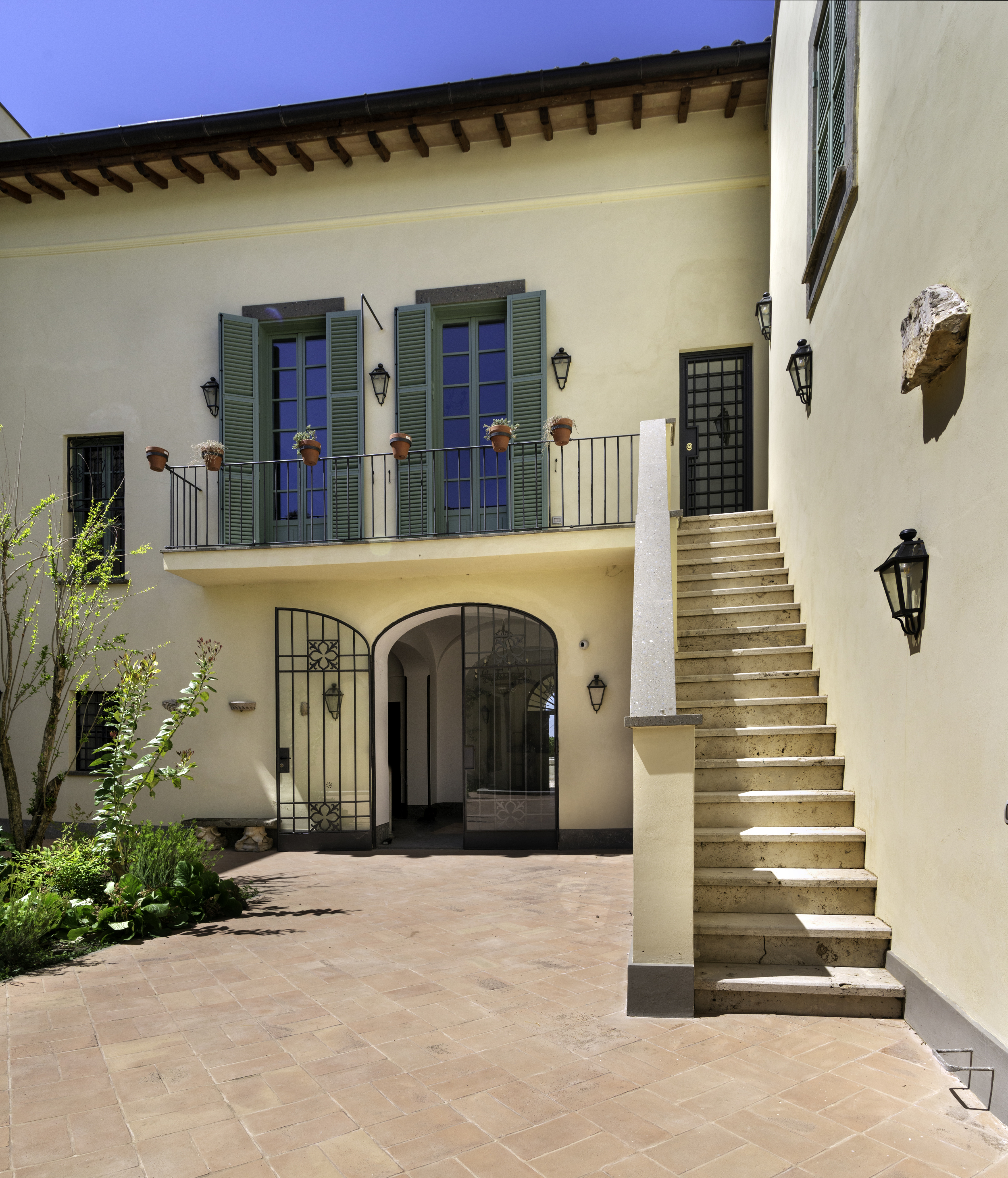
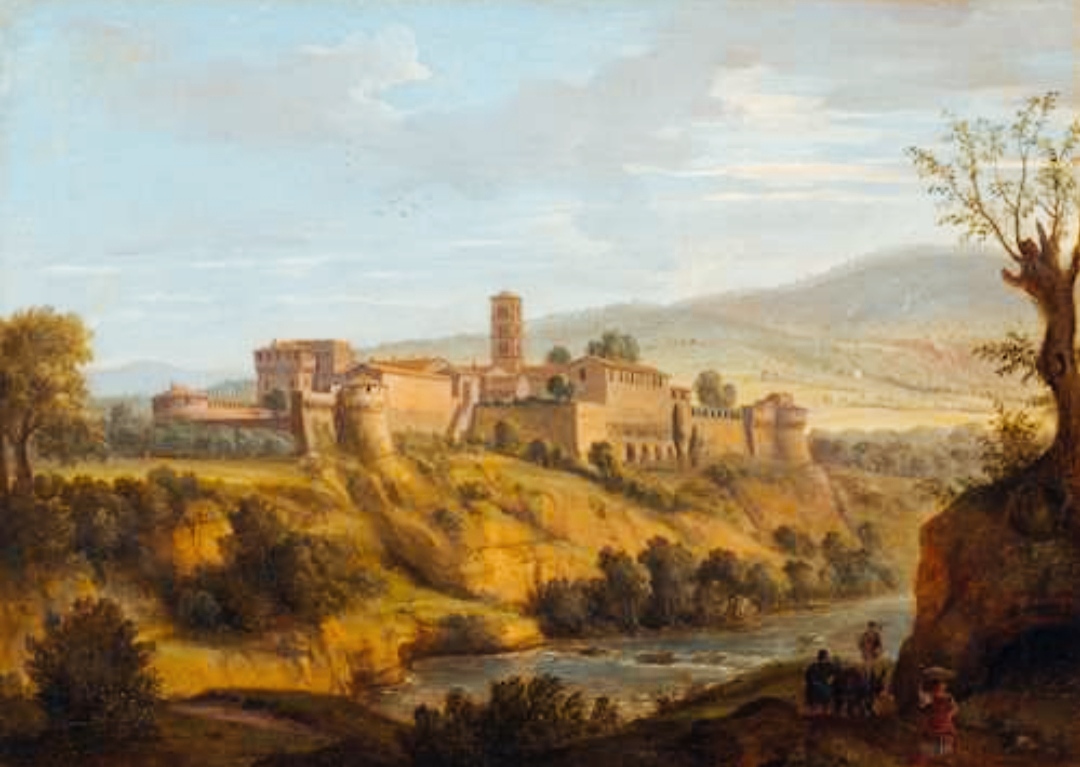
Borgo Mattei, now owned by the Negro-Mercanti family, is situated along the Sant'Anna road, formerly a mule track connecting the Abbey of Grottaferrata to Marino. Rich in Roman and medieval history, it owes its name to Cardinal Alessandro Mattei (1744-1820). Over the centuries, it witnessed renovations and changes of ownership, always maintaining its viticultural vocation. Today, the Negro-Mercanti family opens Borgo Mattei to the public: a unique place immersed in the bucolic landscapes of Castelli Romani with an unforgettable view of the Eternal City!
The area, the last tuffaceous extension of the Latium volcano with its last eruption dating back to 600 B.C., was densely populated in Roman times. The estate's grounds contain the remains of an ancient Roman villa, once owned by Consul Lucius Scribonius Libo (16 B.C.), and a tomb where a runaway slave's collar from the Scriboni's pool area was discovered in 1879.
Around the year 1000 A.D., the estate's approximately 20 hectares of vineyards and olive groves were wisely managed by the Basilian monks, forming part of the extensive properties of the Abbey of Grottaferrata dedicated to San Nilo.
Around the year 1000 A.D., the estate's approximately 20 hectares of vineyards and olive groves were wisely managed by the Basilian monks, forming part of the extensive properties of the Abbey of Grottaferrata dedicated to San Nilo.
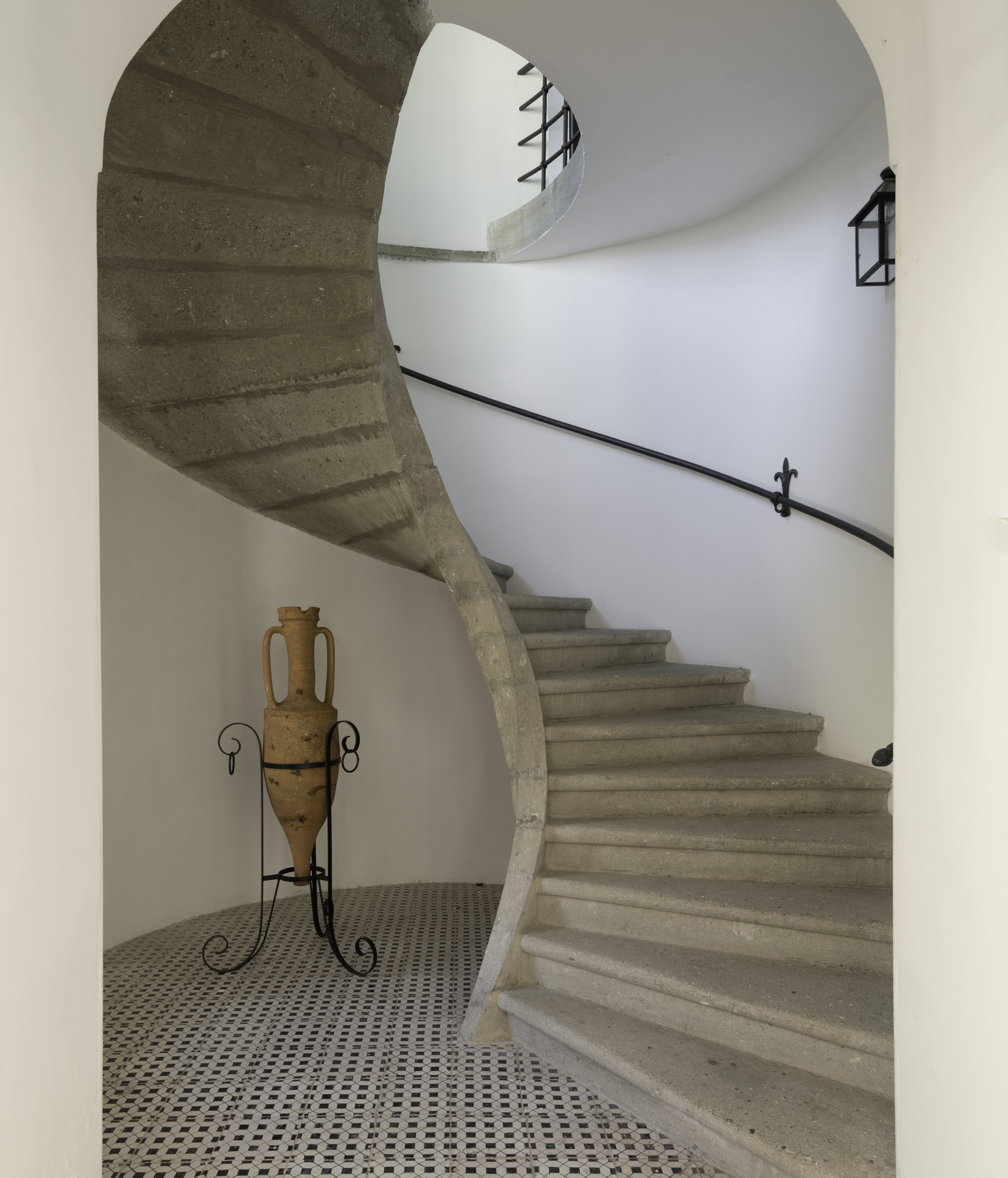
In the late 17th century, there was a general restoration of the buildings, evidenced by a roof tile dated 1690 found during recent restoration work on the main villa. Contemporary features likely include the beautiful peperino spiral staircase, the entrance portal, and the elegant octagonal fountain in front of the villa, all integral parts of the restoration.

The agricultural lands of the Grottaferrata monks were seized by Napoleon's authorities in the late 18th century, later reclaimed with the fall of Napoleon under Pope Pius VII (1800-1823). The management was entrusted to Cardinal Alessandro Mattei, giving the estate its name, sealed by the inscription dominating the main portal towards Marino.
The estate's precise transfer from the Mattei family is undocumented. It is certain, however, that its primary purpose was grape collection and wine preparation, more than a representative role. Carriages likely arrived through the Marino portal with harvested grapes, and the fountain served to quench the draft animals before the load entered the inner courtyard. In winter months, the harvest, reduced to must, was transferred to barrels in the large cellar, characterized by a horseshoe-shaped structure. In summer, the wine was moved to the coolness of the ancient underground cellars, extensive caves, and galleries carved in late imperial times for construction material, extending beneath the hill and the main villa.
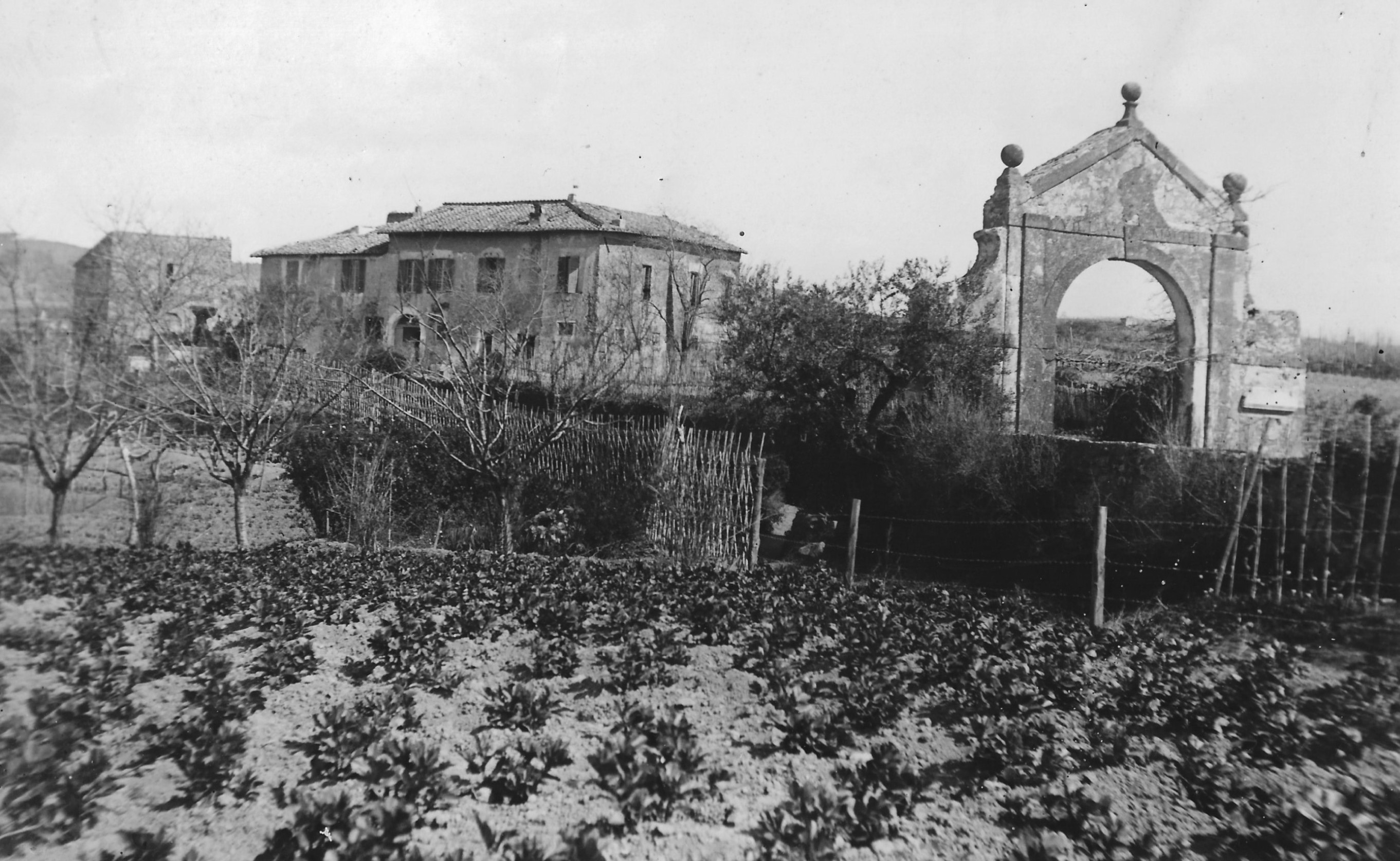
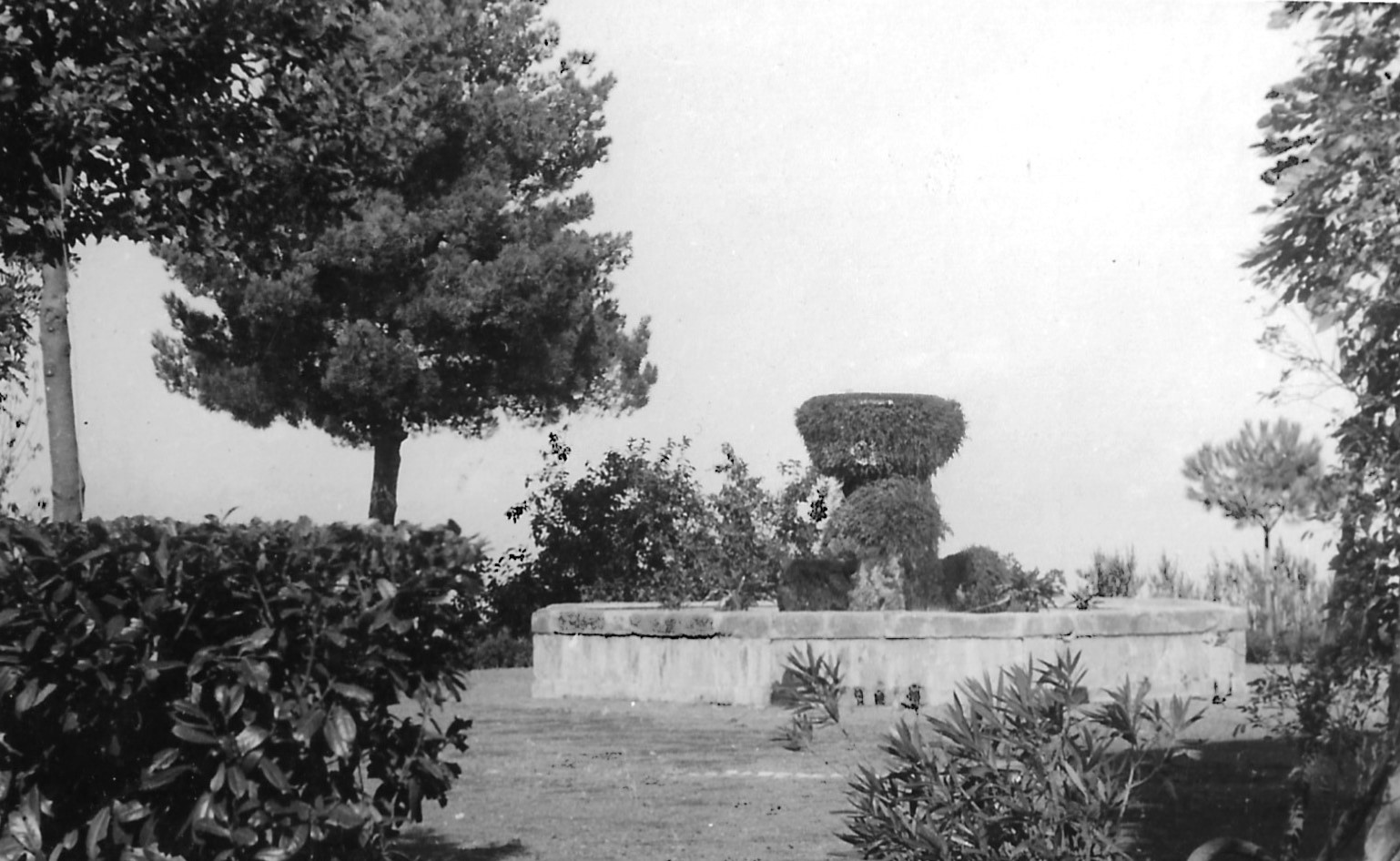
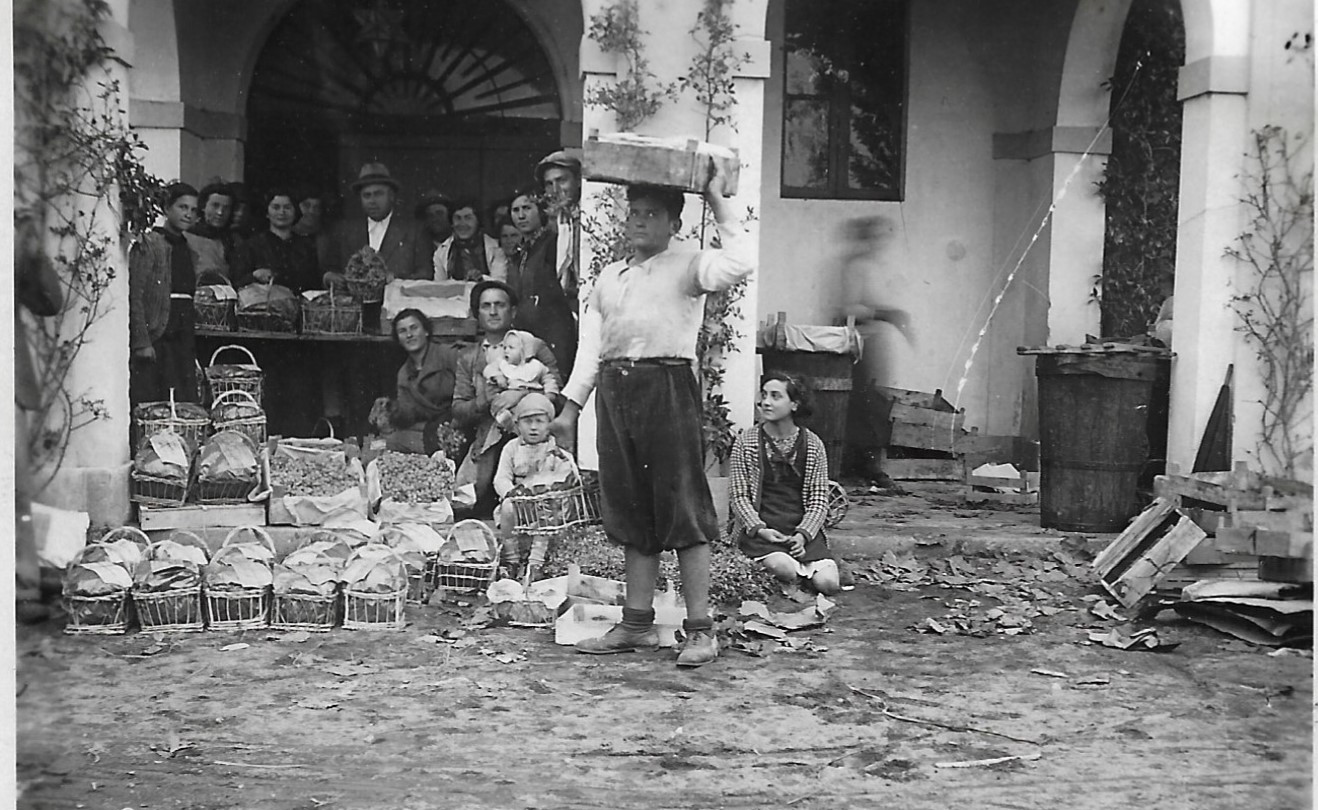
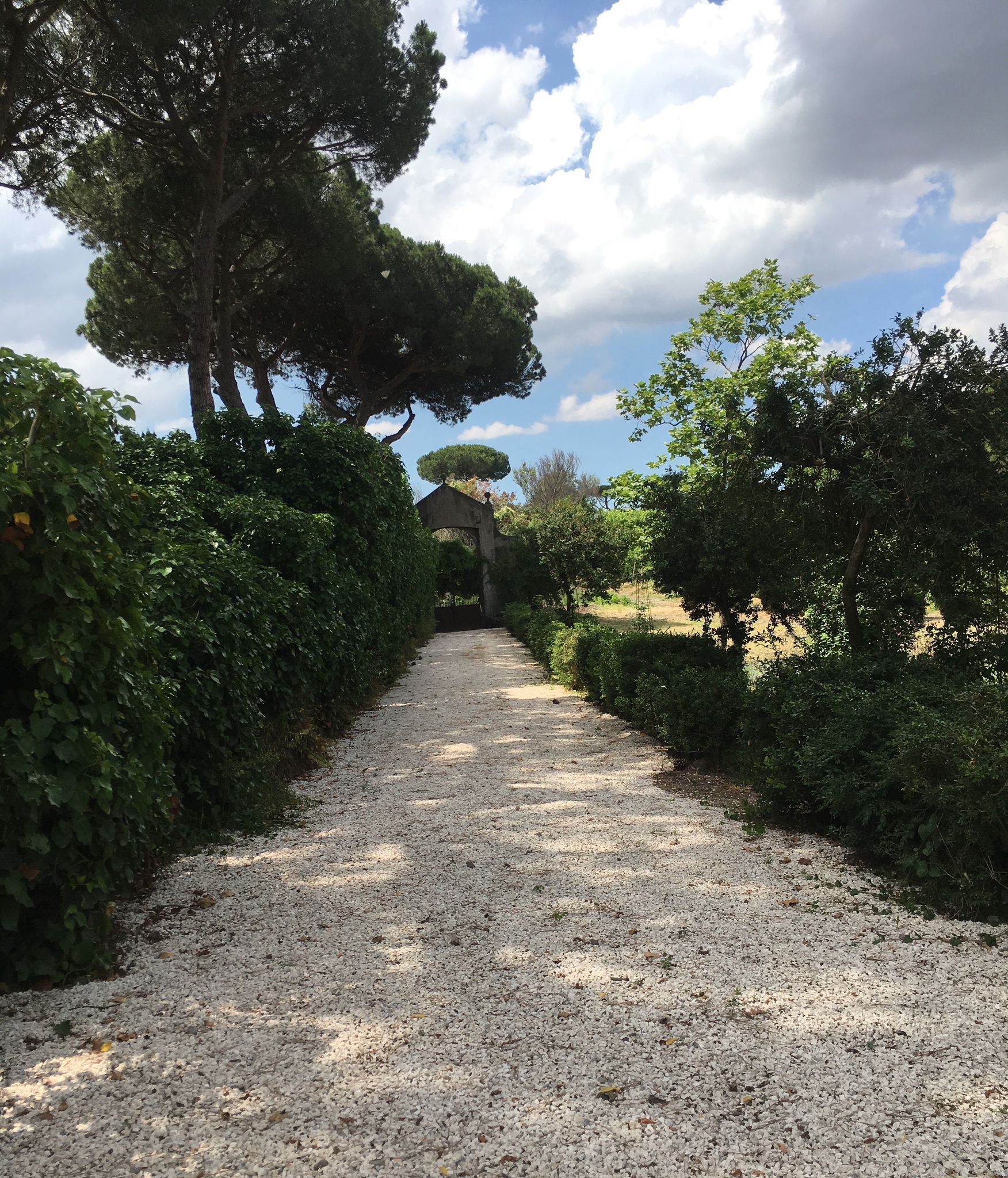
In more recent times, the estate, initially owned by Ganassini and then Bellucci, was acquired in 1929 by the ancestors of the current owners, surgeon Achille De Fabii and his wife Lilly Aguet. The Borgo was in disrepair and was restored under the direction of Engineer Sleiter. A building detached from the main villa, destroyed in a fire, was reconstructed to create housing for agricultural workers. Other small structures were built to house the washhouse, poultry house, and tool sheds. The main villa, abandoned, was also restored: the spiral staircase, previously walled, was rediscovered, the main hall adorned with salvaged majolica, and the external porch in front of the fountain with a view of the city was restored. Achille De Fabii initiated the restoration, which continued carefully over the years, including the planting of cypresses and pines on the side towards Marino, the creation of a panoramic pavilion towards Rome, and the integration of eighteenth-century boxwood hedges around the fountain and along the main access avenue, which now features a long ivy-covered pergola.
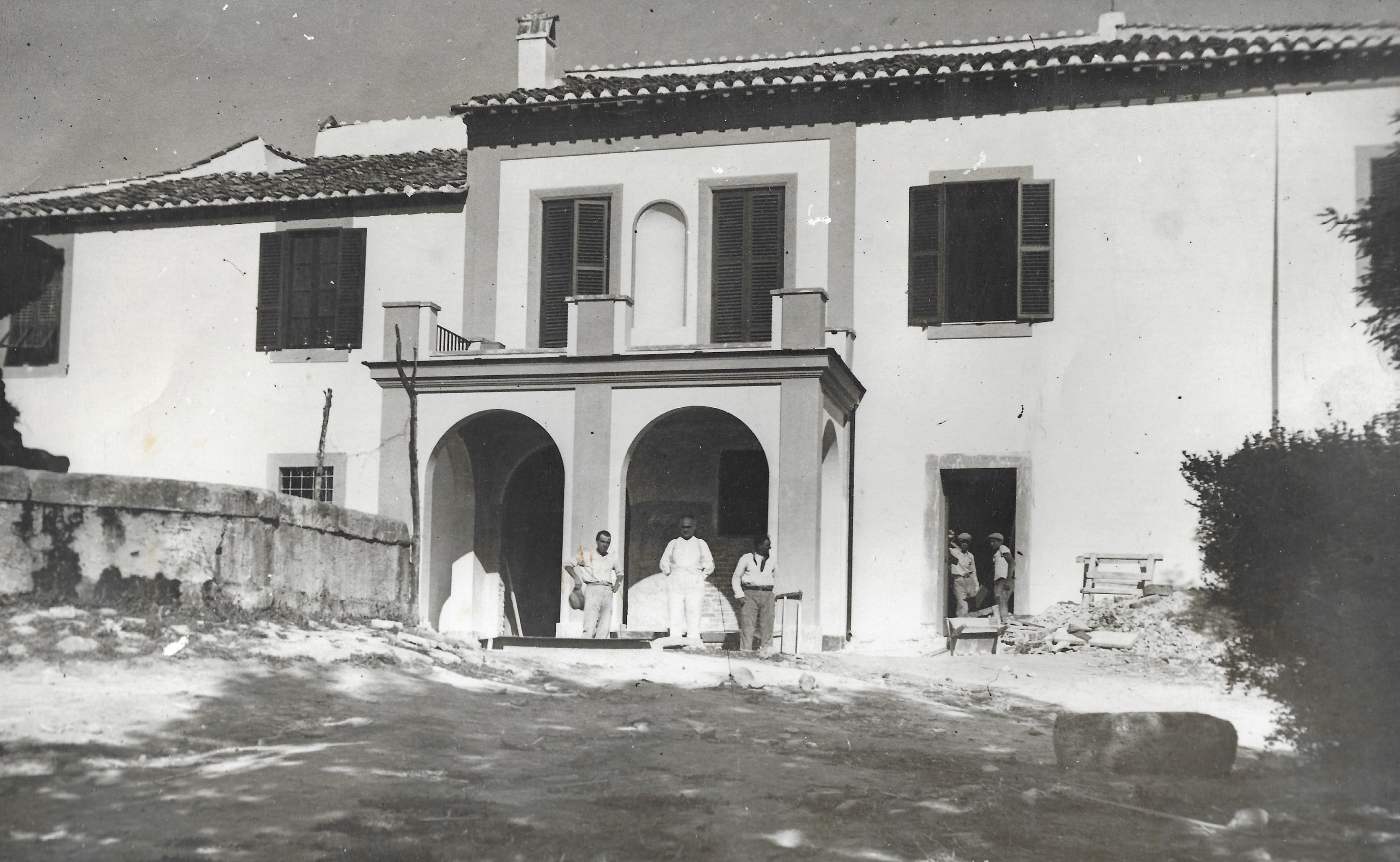
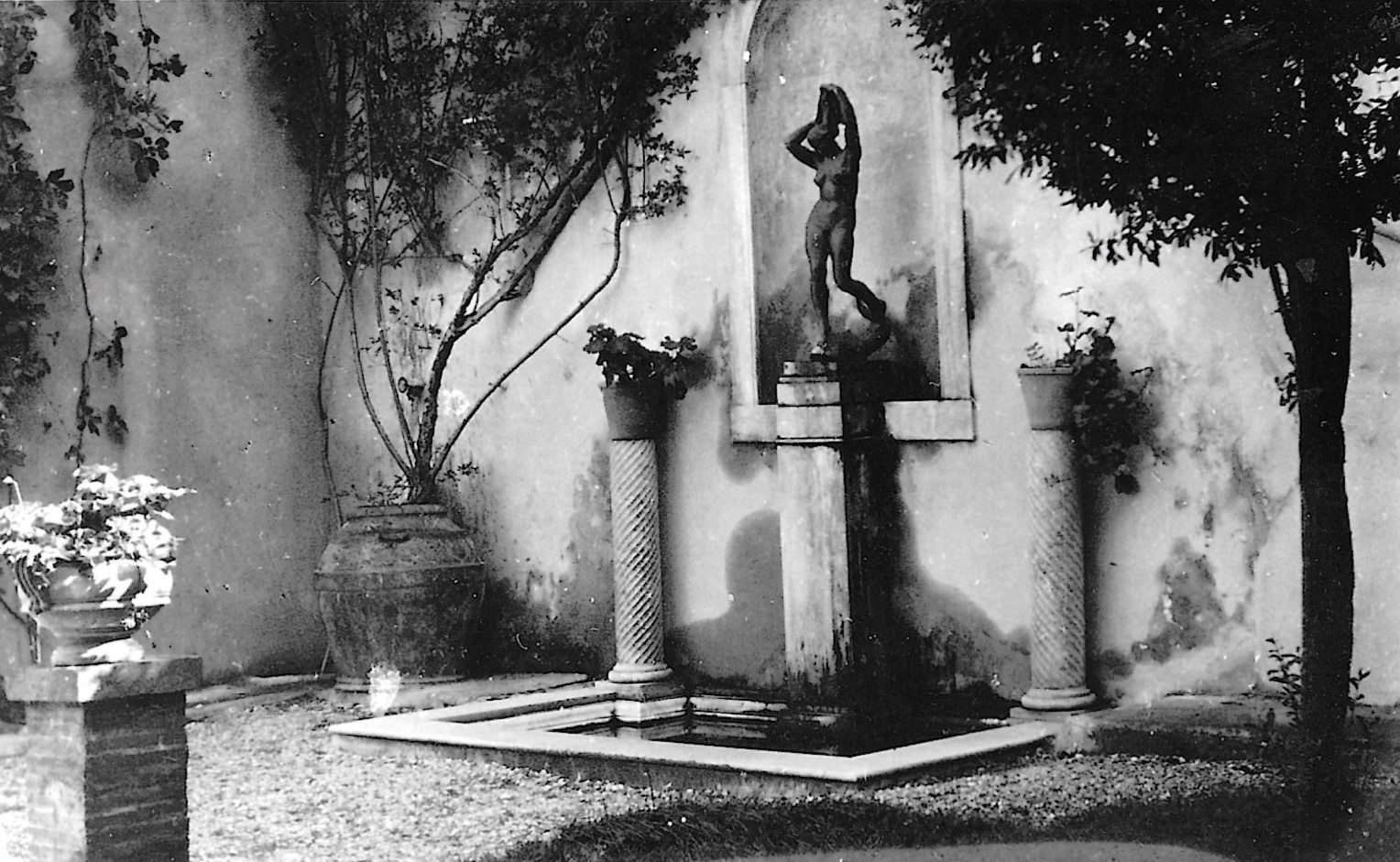
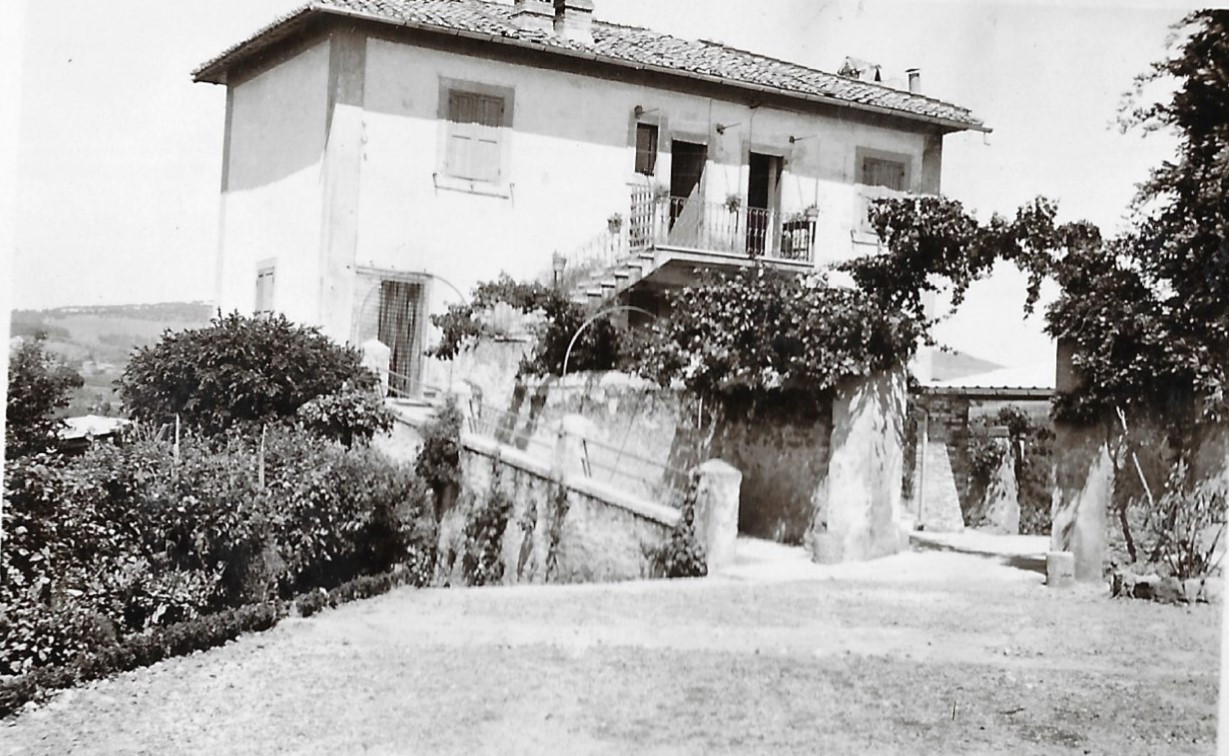
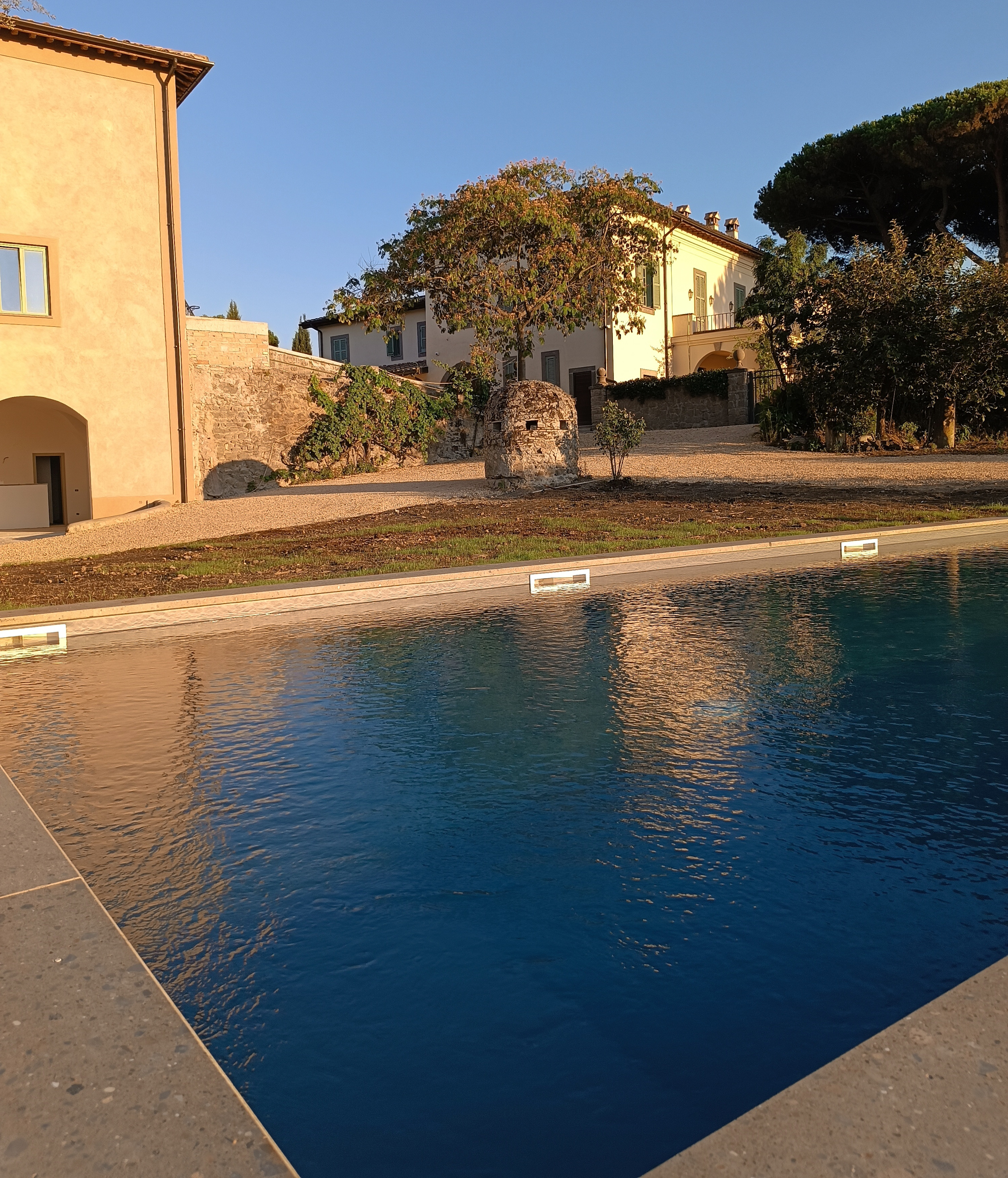
In 1944, after the disastrous bombing of Marino by American troops that destroyed much of the town, including the monumental Palazzo Colonna, the underground cellars of the estate provided refuge for much of the displaced civilian population and partisan bands. During this time, two air intakes were constructed on the surface to ventilate the tunnels, which still exist and are visible.
Used for decades as a summer residence, in 2015, the Negro-Mercanti family initiated an ambitious project to renovate Borgo Mattei and transform it into a unique place suspended between history and nature, offering splendid views of the Castelli Romani landscapes and the extraordinary panorama of the Eternal City.
In 2024, the project is set to come to life regarding the above-ground structures for hospitality and events. As for the underground path, we'll have to wait until 2025!